Understanding Laparoscopic Right Salpingo Oophorectomy: A Detailed Guide
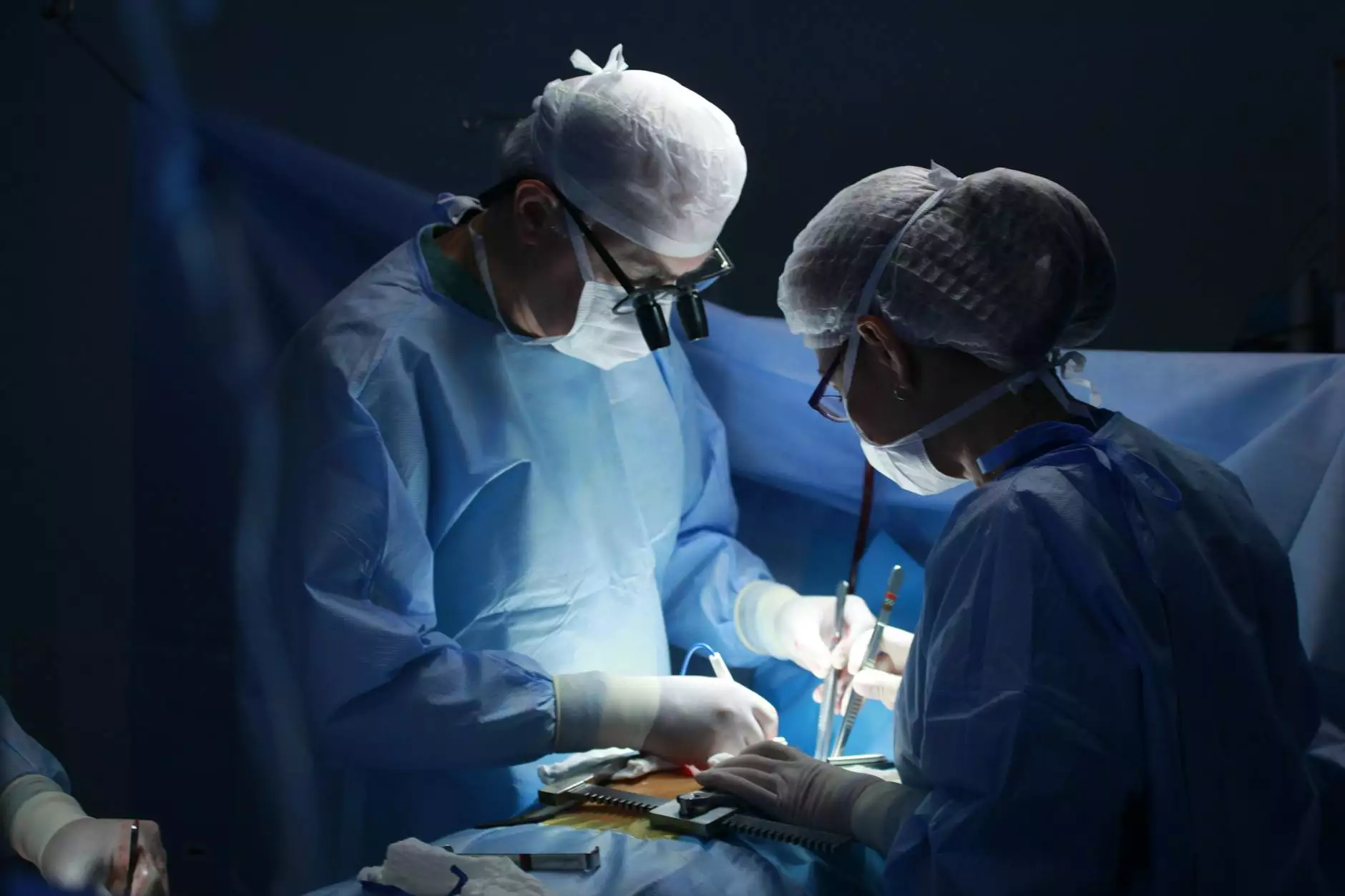
Laparoscopic right salpingo oophorectomy is a specialized surgical procedure with significant implications for women's health. This minimally invasive surgery focuses on removing the right fallopian tube (salpinx) and the right ovary (oophorectomy) through advanced laparoscopic techniques. In this article, we will delve deep into various aspects of this procedure, including its indications, benefits, and recovery processes, providing a comprehensive understanding for patients and their families.
What is Laparoscopic Right Salpingo Oophorectomy?
Laparoscopic right salpingo oophorectomy is characterized by its minimally invasive nature, which translates to smaller incisions, reduced pain, and shorter recovery times compared to traditional open surgeries. The term "laparoscopic" refers to the use of a laparoscope, a small camera that allows surgeons to view the internal reproductive organs on a monitor while performing surgery. This technique is utilized primarily for:
- Diagnosis and treatment of ovarian cysts
- Removal of ectopic pregnancies
- Management of endometriosis
- Addressing benign tumors or malignancies
Indications for the Procedure
Several medical conditions can necessitate a laparoscopic right salpingo oophorectomy. Understanding these conditions can help patients recognize when this surgery might be required. Common indications include:
1. Ovarian Cysts
Ovarian cysts are fluid-filled sacs that can develop on the ovaries. While many are benign and resolve on their own, larger cysts can cause discomfort or complications, necessitating surgical intervention.
2. Ectopic Pregnancy
An ectopic pregnancy occurs when a fertilized egg implants outside the uterus, typically in a fallopian tube. This condition poses serious health risks and often requires surgical removal of the affected tube.
3. Endometriosis
This chronic condition occurs when uterine tissue grows outside the uterus, often causing painful symptoms. In severe cases, removal of the affected ovary and fallopian tube may be necessary.
4. Ovarian Tumors
Both benign and malignant tumors can develop on the ovaries. Surgical removal is crucial for diagnosis and treatment, especially in the case of malignancies.
The Laparoscopic Surgery Process
The surgical process of a laparoscopic right salpingo oophorectomy is meticulously planned and executed, ensuring patient safety and comfort. Here are the key phases of the procedure:
1. Preoperative Preparation
Before the procedure, patients undergo a series of evaluations, which may include:
- Blood tests to assess overall health
- Imaging studies (like ultrasounds) to ascertain the nature of the reproductive issue
- Consultation with the surgical team to discuss risks and benefits
2. Anesthesia
Patients are typically placed under general anesthesia to ensure comfort during the operation. An anesthesiologist monitors vital signs throughout the procedure.
3. Surgical Procedure
The surgeon makes several small incisions in the abdomen and inserts a laparoscope and surgical instruments. The operative steps typically include:
- Inspecting the pelvic organs for any other abnormalities.
- Gently dissecting and removing the right ovary and fallopian tube.
- Using a flexible camera to support visual guidance and enhance precision.
4. Postoperative Care
Post-surgery, patients are monitored in a recovery area. The length of stay can vary, with many patients able to return home on the same day or the following day. During recovery, patients receive:
- Instructions for pain management
- Guidance on activity restrictions
- Follow-up appointments to ensure proper healing
Benefits of Laparoscopic Surgery
Opting for a laparoscopic approach offers numerous benefits compared to traditional surgical methods:
1. Reduced Pain and Scarring
The smaller incisions used in laparoscopic surgery result in less postoperative pain and minimal scarring, enhancing cosmetic outcomes.
2. Faster Recovery
Most patients experience quicker recovery times, allowing them to return to daily activities faster. Many patients are back to their normal routines within a week.
3. Shorter Hospital Stay
Many laparoscopic procedures can be performed on an outpatient basis, significantly reducing hospital stays.
4. Lower Risk of Infection
The minimally invasive nature of the procedure generally leads to a lower risk of infection compared to open surgery.
Potential Risks and Complications
While laparoscopic right salpingo oophorectomy is generally safe, as with any surgical procedure, there are potential risks involved. These can include:
- Bleeding
- Infection
- Damage to surrounding organs
- Adverse reactions to anesthesia
It is essential to discuss these risks with the surgeon during the preoperative consultation to ensure comprehensive understanding and informed decision-making.
Recovery Post-Surgery
Postoperative recovery is a critical phase in ensuring the success of the laparoscopic right salpingo oophorectomy. Here’s what patients can expect:
1. Initial Recovery Phase
In the immediate hours following surgery, patients may encounter some discomfort. Medication will be prescribed to manage pain effectively. It is crucial to:
- Follow the physician's instructions regarding activity levels
- Hydrate adequately
- Gradually reintroduce food as tolerated
2. Activity Level
Most patients are encouraged to walk gently shortly after surgery to facilitate blood circulation but should avoid strenuous activities for a few weeks. Patients should listen to their body and consult the healthcare provider if they experience significant pain or complications.
3. Follow-Up Appointments
Post-operative follow-up appointments are crucial for monitoring recovery and addressing any concerns. These typically occur within one to two weeks after surgery.
Conclusion
Laparoscopic right salpingo oophorectomy stands out as a groundbreaking option for treating various gynecological conditions. This procedure not only highlights advancements in surgical techniques but also underscores the importance of patient-centered care. By understanding this procedure, patients can make informed decisions about their health and work collaboratively with their healthcare providers to achieve optimal outcomes.
For further information or personalized advice, contact the experts at drseckin.com. Their dedicated team is committed to providing comprehensive care and innovative solutions to enhance women's health and well-being.