The Impact of Street Sweepers on Urban Business Landscapes
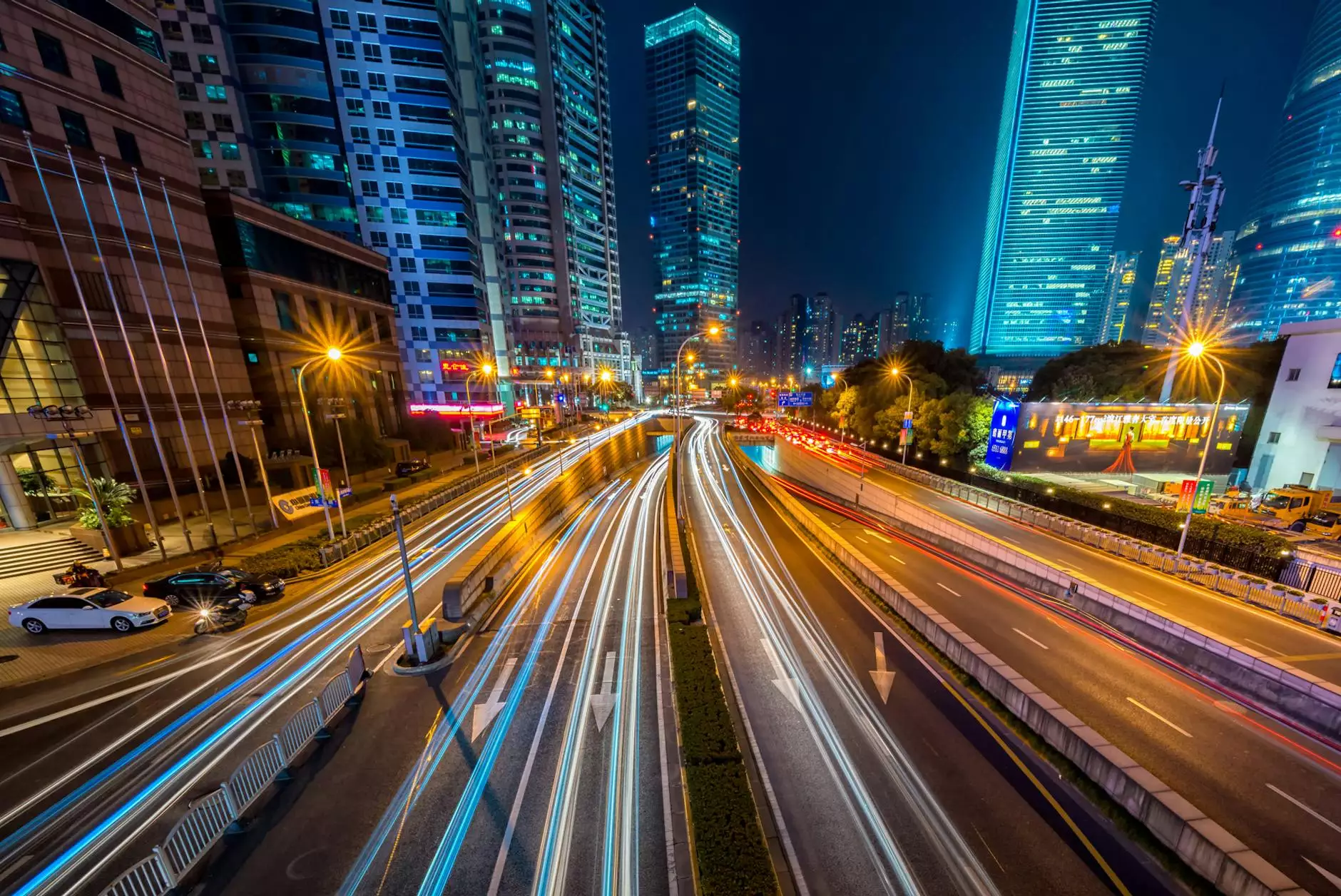
Street sweepers have become instrumental in maintaining clean urban environments. An essential tool for municipalities and private enterprises alike, these vehicles ensure that our streets remain clear and safe, enhancing the quality of urban living. In this article, we will delve deep into the significance of street sweepers in business and how 3D printing is shaping the future of this indispensable industry.
The Role of Street Sweepers in Urban Management
In modern cities, cleanliness is not just a matter of aesthetics but a crucial factor in public health and safety. Street sweepers help remove debris, litter, and pollutants from roadways, which leads to several benefits:
- Environmental Protection: Regular street sweeping reduces the pollutants entering storm drains and waterways, resulting in cleaner rivers and healthier ecosystems.
- Health Benefits: By performing routine cleanings, street sweepers mitigate dust and allergens in the air, promoting better respiratory health for urban residents.
- Enhanced Aesthetics: Clean streets improve the visual appeal of neighborhoods, fostering community pride and potentially increasing property values.
The Business Side of Street Sweepers
For businesses engaged in municipal services, the demand for street sweepers translates into a thriving market. Here's how:
1. Opportunities for Infrastructure Services
Municipal contracts for street cleaning services provide a lucrative opportunity for contractors. Cities allocate significant budgets towards cleanliness and maintenance:
- Long-Term Contracts: Most municipalities prefer long-term partnerships, ensuring consistent income for service providers.
- Service Diversification: Companies can diversify into related services such as road repair, landscaping, and waste management.
2. Technological Advancements and Competitive Edge
With the integration of modern technology, businesses can enhance the efficiency of their street sweeping operations:
- GPS Tracking: Utilizing GPS technology allows for optimized routes, reducing fuel consumption and time.
- Data Analytics: Advanced data collection can inform better decision-making processes, leading to improved service delivery.
3D Printing and Its Influence on Street Sweeping
The advent of 3D printing technology is transforming how street sweepers are manufactured and serviced. This innovation brings several advantages:
1. Customization and Adaptability
3D printing enables the creation of custom parts that fit unique requirements, allowing for tailored street sweepers to be developed:
- Specialized Components: Parts like brushes and filters can be precisely made to meet specific operational needs.
- Rapid Prototyping: Quick designs and iterations can lead to speedier improvements in machinery performance.
2. Cost Efficiency
Reduced manufacturing costs are one of the most significant benefits of 3D printing:
- Less Waste: The additive nature of 3D printing minimizes material waste, contributing to sustainability.
- Reduced Labor Costs: Automated production processes cut down on the manual labor often required in traditional manufacturing.
3. Improved Supply Chain Management
Businesses engaged with street sweepers can create parts in-house, effectively streamlining their supply chains:
- On-Demand Manufacturing: Components can be produced as needed, eliminating the need for large inventory storage.
- Localized Production: Manufacturing close to the point of use decreases transportation costs and times.
Future Trends in Street Sweeping Technology
The future of street sweeping is bright, with continual advancements shaping the industry. Here are some trends to keep an eye on:
1. Electric Street Sweepers
With the global push towards sustainability, electric street sweepers are gaining traction:
- Lower Emissions: Transitioning to electric models significantly reduces carbon footprints.
- Quieter Operations: Electric sweepers operate more quietly, making them suitable for urban areas during early morning or late-night cleanings.
2. Automation and Robotics
The future may see fully autonomous street sweepers utilizing sensor technologies for efficient operation:
- Increased Efficiency: Automation can significantly enhance cleaning efficiency and scheduling.
- Reduced Labor Dependency: Less reliance on human operators can mitigate labor shortages in this industry.
3. Enhanced Data Utilization
As technology advances, the capability to analyze data from sweeping operations will help businesses make informed decisions:
- Performance Metrics: Tracking and assessing performance metrics will help optimize routes and schedules.
- Feedback Loops: Integrating customer feedback can continuously improve service quality.
Conclusion: A Bright Future for Business with Street Sweepers
In summary, the intersection of street sweepers and emerging technologies like 3D printing heralds a new era for the industry. The capability for better customization, cost efficiency, and the promise of sustainability will undoubtedly attract new businesses into this segment. Companies that leverage these advancements will position themselves to thrive in a competitive marketplace, ensuring they remain at the forefront of innovation. As we look towards the future, embracing these technologies will not only enhance operational efficacy but also contribute to cleaner, healthier urban environments.
To delve deeper into the world of street sweepers and their technological advancements, explore the offerings at ceksansweepers.com.