Unlocking the Potential of Automotive Plastic Parts in Modern Business
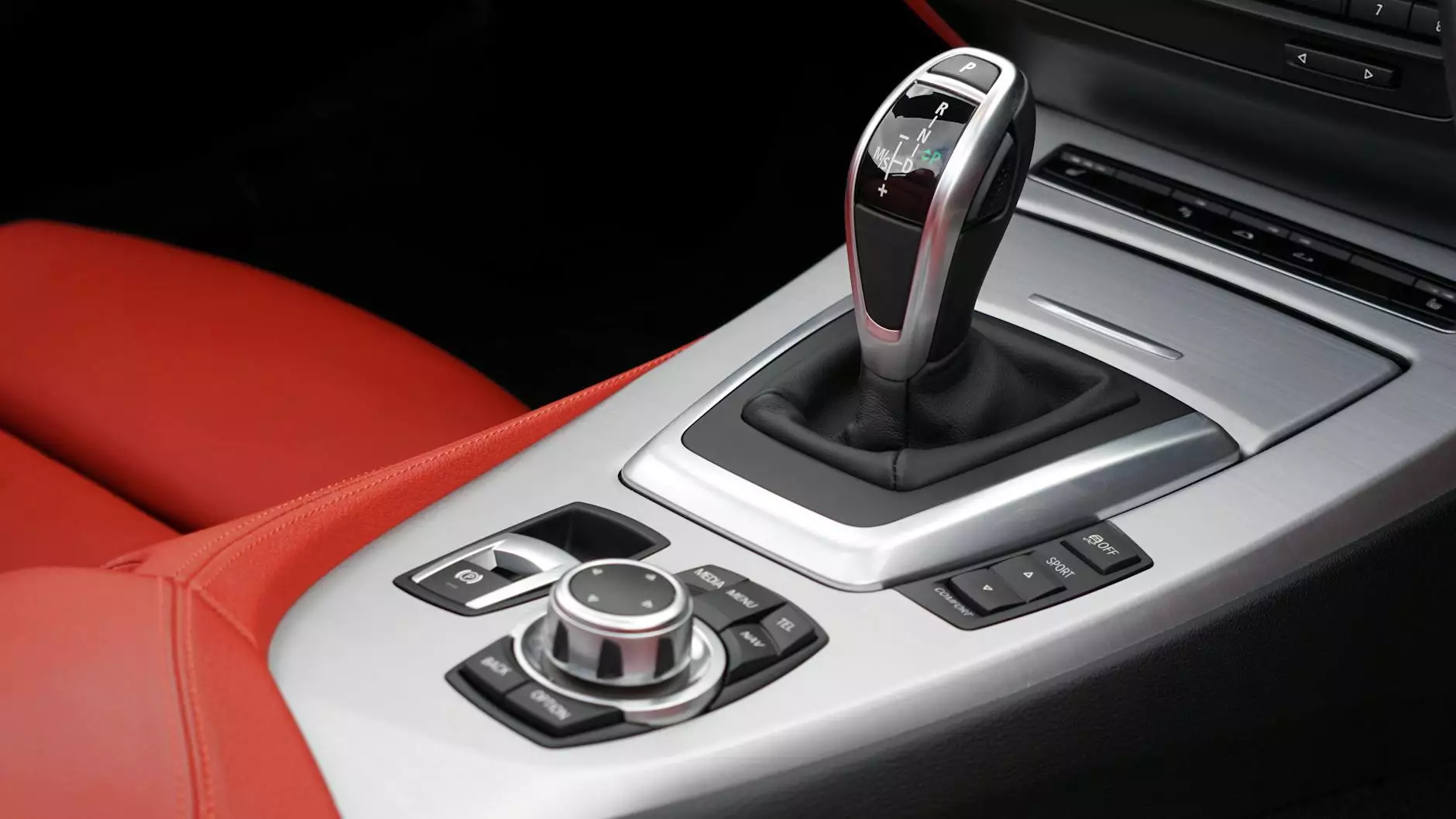
The automotive industry has undergone a remarkable transformation over the past few decades. Among the most significant innovations is the integration of automotive plastic parts, which have revolutionized vehicle manufacturing, design, and functionality. As a key component of modern vehicles, these plastic parts contribute to lightweight construction, cost efficiency, and aesthetic appeal. In this comprehensive article, we delve into the multifaceted world of automotive plastic parts, highlighting their importance in today’s competitive marketplace and exploring how expert metal fabricators like deepmould.net excel in manufacturing cutting-edge plastic solutions.
Understanding the Role of Automotive Plastic Parts
Automotive plastic parts encompass a broad range of components used in vehicle interiors, exteriors, and mechanical systems. These parts serve myriad purposes — from aesthetic enhancements and safety features to structural and functional roles. Their versatility makes them indispensable in modern vehicle design.
Types of Automotive Plastic Parts
- Interior Components: dashboards, door panels, consoles, seat frames, and trims
- Exterior Components: bumpers, grille surrounds, mirror housings, and fenders
- Engine Bay Components: intake manifolds, coolant tanks, and engine covers
- Lighting Components: headlight lenses and housing
- Safety and Functional Parts: crash boxes, protective covers, and fasteners
The Advantages of Using Automotive Plastic Parts
Choosing automotive plastic parts offers numerous benefits that align with the evolving demands of the automotive industry. Companies leveraging advanced plastic manufacturing techniques gain a competitive edge through improvements in vehicle performance, cost-effectiveness, and environmental sustainability.
Lightweight and Fuel Efficiency
One of the primary advantages of plastic components is their low density compared to traditional materials like metal. Reducing vehicle weight enhances fuel efficiency and lowers emissions, aligning with global environmental initiatives and consumer preferences for greener vehicles.
Cost Reduction and Manufacturing Flexibility
Plastic parts are generally less expensive to produce, especially in high volumes, thanks to processes like injection molding and blow molding. Their inherent flexibility allows for complex geometries and intricate designs that are difficult or costly to achieve with metals, thus broadening creative and functional possibilities in vehicle design.
Design Versatility and Aesthetic Appeal
Automotive plastic parts provide manufacturers with limitless design options. They can be manufactured in various colors, textures, and finishes, offering enhanced aesthetics and branding opportunities for automotive brands.
Sustainability and Recyclability
Modern plastics are increasingly recyclable, contributing to sustainability goals. Companies investing in eco-friendly raw materials and recycling initiatives can reduce environmental impact while maintaining high-quality standards.
Advanced Manufacturing Techniques for Automotive Plastic Parts
The production of high-quality automotive plastic parts relies on cutting-edge manufacturing technologies that ensure precision, durability, and efficiency. Leading metal fabricators like deepmould.net employ a suite of advanced processes tailored to meet the rigorous standards of the automotive industry.
Injection Molding
This is the most prevalent method for producing complex plastic components efficiently and with high repeatability. Precise molds are used to inject molten plastic into cavities, creating highly detailed and consistent parts suitable for mass production.
Blow Molding
This process is ideal for manufacturing hollow plastic parts such as coolant tanks and light lenses. It involves inflating hot plastic inside a mold to form seamless, lightweight containers.
Thermoforming
Used primarily for larger, thinner parts like interior trims, thermoforming involves heating plastic sheets until pliable, then forming them over molds. It offers rapid production cycles and cost efficiency.
3D Printing
For prototyping and small batches, 3D printing provides rapid iteration and complex geometries that traditional methods might struggle to replicate. It’s increasingly integrated into the development phase of automotive plastic parts.
Quality and Innovation in Manufacturing by Deep Mould
At the forefront of Metal Fabricators, deepmould.net exemplifies excellence in the manufacturing of automotive plastic parts. Their expertise lies not only in metal fabrication but also in creating precision molds and tools for plastic component production, ensuring high quality, consistency, and innovation.
Custom Mold Design and Development
Deep Mould offers tailored mold development, leveraging advanced CAD/CAM technologies. This allows for the creation of complex, precise molds that enable manufacturers to produce intricate automotive plastic parts with exceptional fidelity and repeatability.
Material Expertise and Selection
Using the latest engineering plastics, including ABS, polycarbonate, nylon, and TPU, deepmould.net ensures that each component meets specific performance criteria such as heat resistance, impact strength, and chemical durability.
Rigorous Quality Control
From initial mold testing to final inspection, meticulous quality assurance procedures guarantee that each automotive plastic part meets international standards like ISO/TS 16949. This commitment to excellence builds trust with OEMs and Tier 1 suppliers worldwide.
Environmental Commitment and Sustainable Production
Recognizing the importance of sustainability, companies like deepmould.net invest in eco-friendly materials and recycling processes. They aim to minimize waste during manufacturing, optimize energy consumption, and promote the circular economy within the automotive sector.
Future Trends and Innovations in Automotive Plastic Parts
The landscape of automotive plastic parts is continuously evolving. Future advancements include the development of bio-based plastics, smart plastics with embedded sensors, and lightweight composites that further enhance vehicle performance and sustainability.
Development of Eco-Friendly Plastics
Research into biodegradable and renewable plastics is gaining momentum, promising a greener future. These materials aim to reduce the environmental footprint of automotive manufacturing and end-of-life disposal.
Integration of Smart Technologies
Smart plastics equipped with sensors can monitor vehicle health, detect wear, or provide real-time data, opening new avenues for safety and maintenance in automotive design.
Enhanced Material Properties
Innovations in material science seek to produce plastics with superior impact resistance, UV stability, and thermal performance, ensuring longevity and safety in demanding environments.
Conclusion: Embracing the Power of Automotive Plastic Parts in Modern Business
In conclusion, the strategic integration of automotive plastic parts has become a game-changer in the automotive industry. Their ability to reduce weight, cut costs, and offer design versatility makes them indispensable for manufacturers aiming for innovation and sustainability. Companies like deepmould.net exemplify excellence in producing the highest quality plastic tooling and components, ensuring that automotive OEMs stay ahead in a highly competitive market.
As the industry continues to evolve, the importance of advanced manufacturing techniques, sustainable materials, and smart plastics will only grow. Forward-looking manufacturers investing in these technologies will be better positioned to meet future challenges and capitalize on emerging opportunities.
Optimize Your Automotive Business with Cutting-Edge Plastic Parts Manufacturing
For businesses seeking reliable, innovative, and high-quality automotive plastic parts, partnering with experienced metal fabricators like deepmould.net is essential. Their expertise in mold design, material selection, and process control ensures your automotive projects are executed flawlessly, providing a competitive edge in an ever-evolving market.
Unlock the full potential of your automotive business by embracing the future of plastic components today — customized, sustainable, and innovative solutions await.